
Hospitality spaces calibrated for service and atmosphere.
We design guest environments where front-of-house experience and back-of-house operations are coordinated from the start. Brand expression is embedded in spatial behavior, not added later.
Guest and service
Operational choreography and brand presence are developed as one system.

Experience planning
Guest journey in sequence
Arrival, seating, circulation, and departure are mapped to reduce friction and support dwell quality. Layout decisions are tested against service tempos and peak loads.
Operational layer
Back-of-house integration
Service routes, storage points, and support functions are coordinated with guest-facing areas to prevent cross-traffic and delays. Operational constraints are addressed in planning, not after opening.

Hospitality delivery scope

Guest flow strategy
Journey maps align layout, wayfinding, and operational checkpoints.
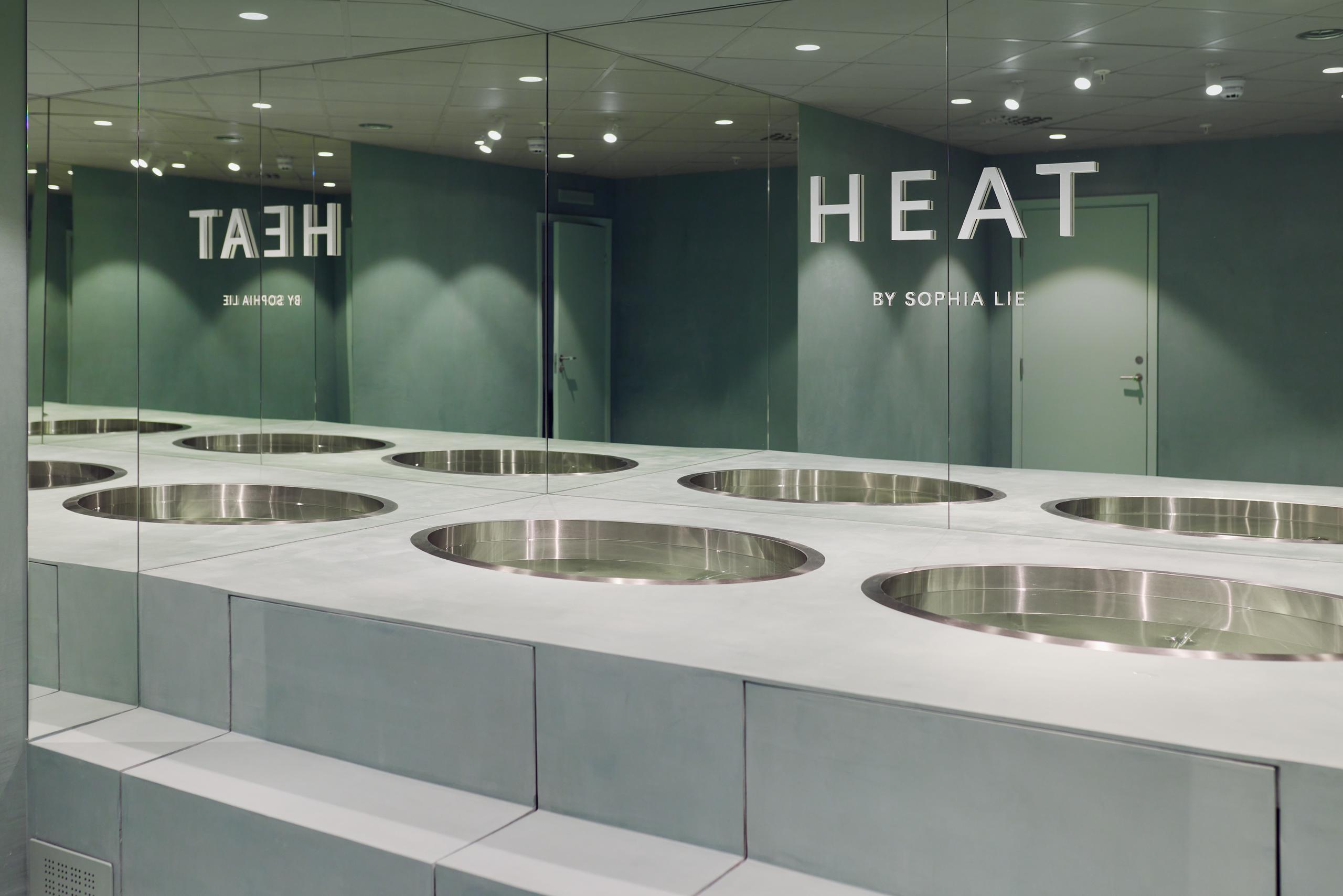
FF&E and material specification
Selections balance durability, acoustic behavior, and brand character.

Operational readiness package
Service diagrams and implementation notes support launch and daily use.
Technical focus
Guest flow and service coordination
FF&E specification
Furniture, fixtures, and equipment are specified for durability and maintenance cycles.
Service flow mapping
Routes for staff, delivery, and clearing are documented against peak scenarios.
Operational coordination
Spatial decisions are reviewed with operators before final sign-off.
Brand consistency controls
Material and signage rules protect identity across different touchpoints.
Operational indicators
Metrics used to measure hospitality performance
Table or room turnover time
Tracks operational efficiency during peak and shoulder periods.
Queue duration
Measures threshold pressure and entry management quality.
Service-path conflict rate
Identifies collisions between guest and staff circulation.
Acoustic comfort index
Assesses speech clarity and noise control in occupied conditions.
Guest satisfaction trend
Monitors perceived comfort, clarity, and service quality over time.
Explore other sectors
Related projects