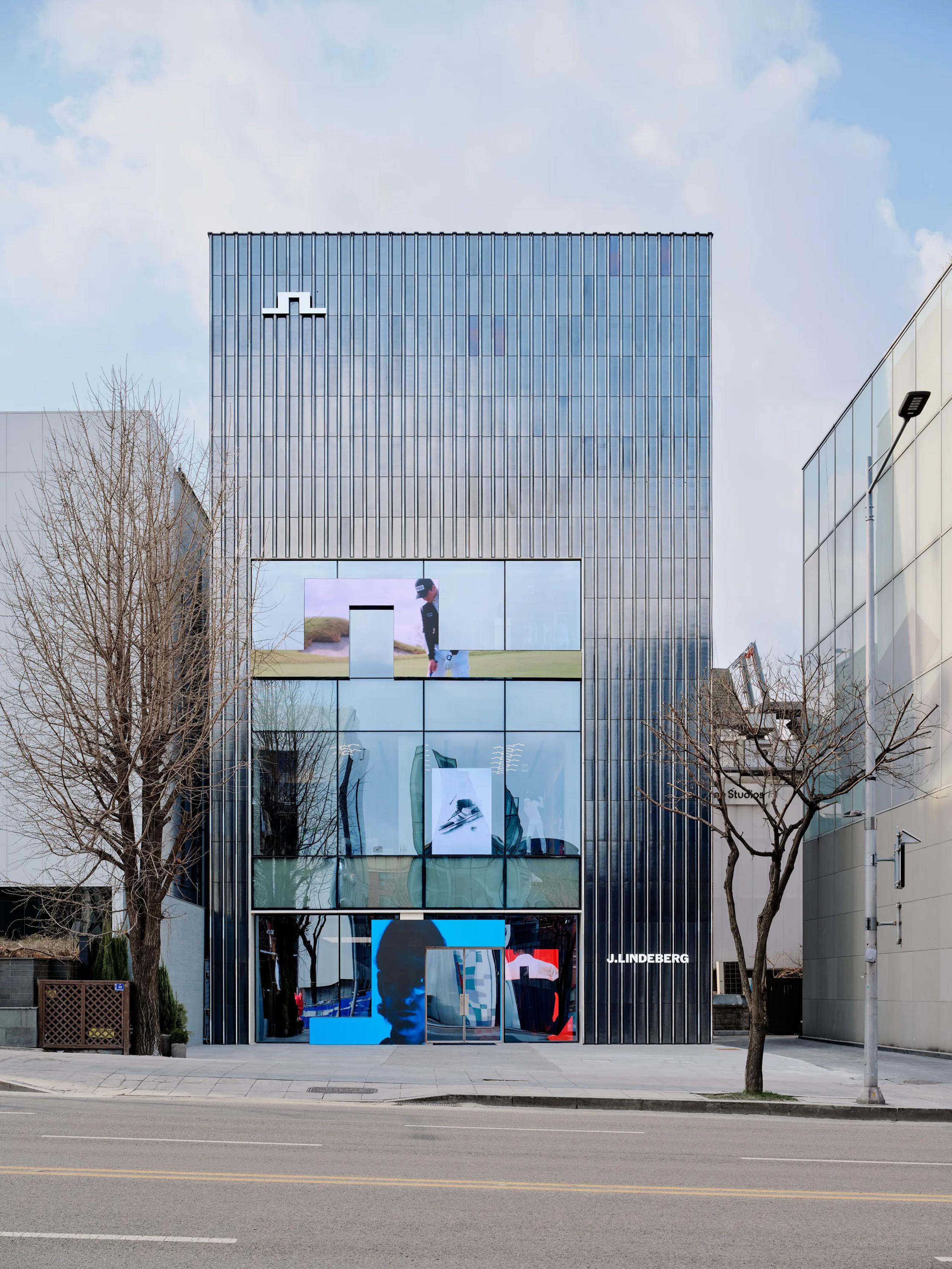
Retail environments designed to convert with clarity.
We design stores where customer movement, merchandising logic, and brand expression are coordinated as one commercial system. Every spatial move is tied to behavior and performance.
Space and sales
Retail design aligns customer journey, fixture logic, and operational flexibility.
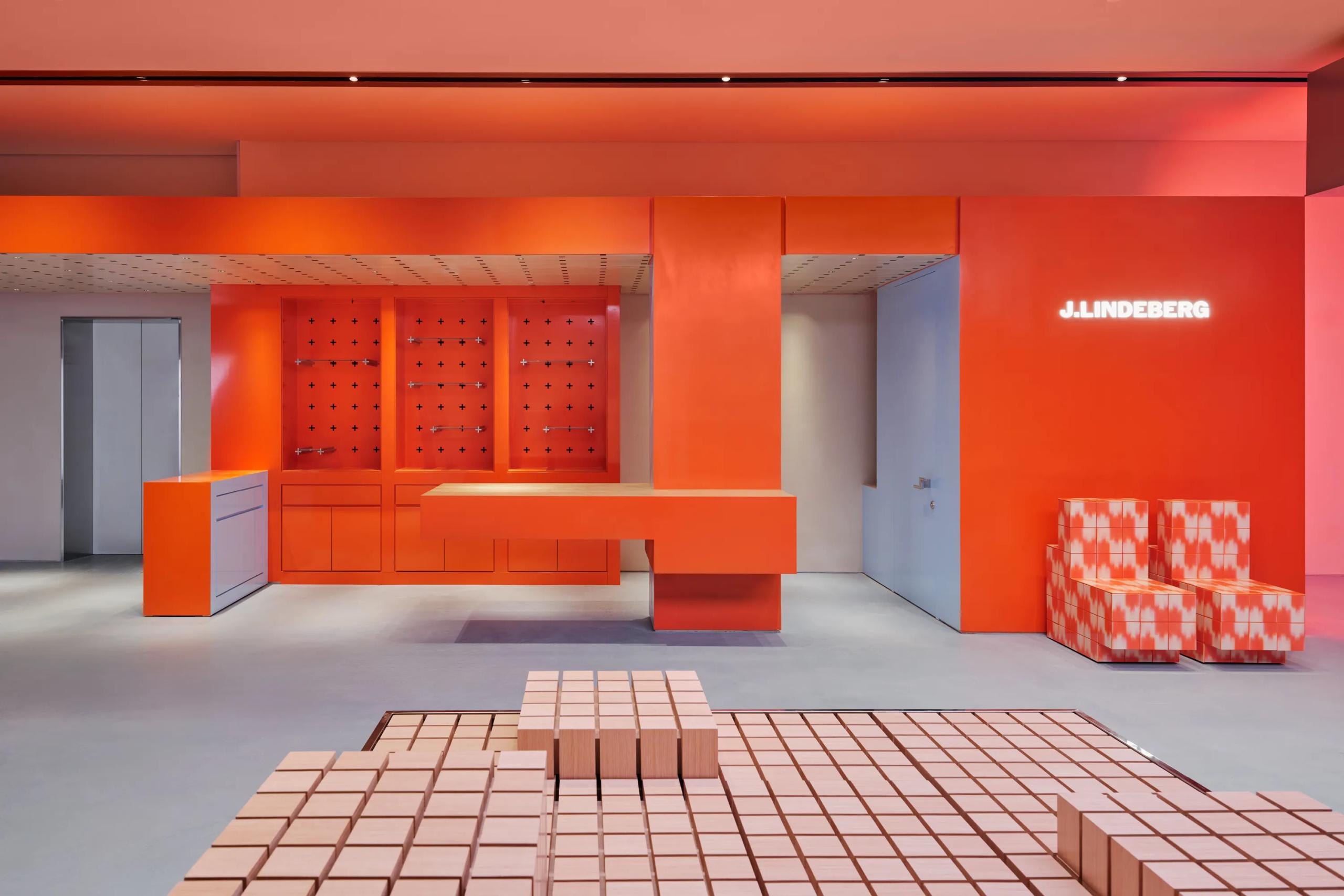
Customer path
Movement with intent
Store planning uses entry behavior, dwell points, and visibility lines to shape navigation. The objective is clear progression without forcing a scripted route.
Merchandising system
Fixtures that adapt
Fixture families are developed as modular kits that support campaign changes with minimal downtime. Power, lighting, and display geometry are coordinated for repeatable resets.
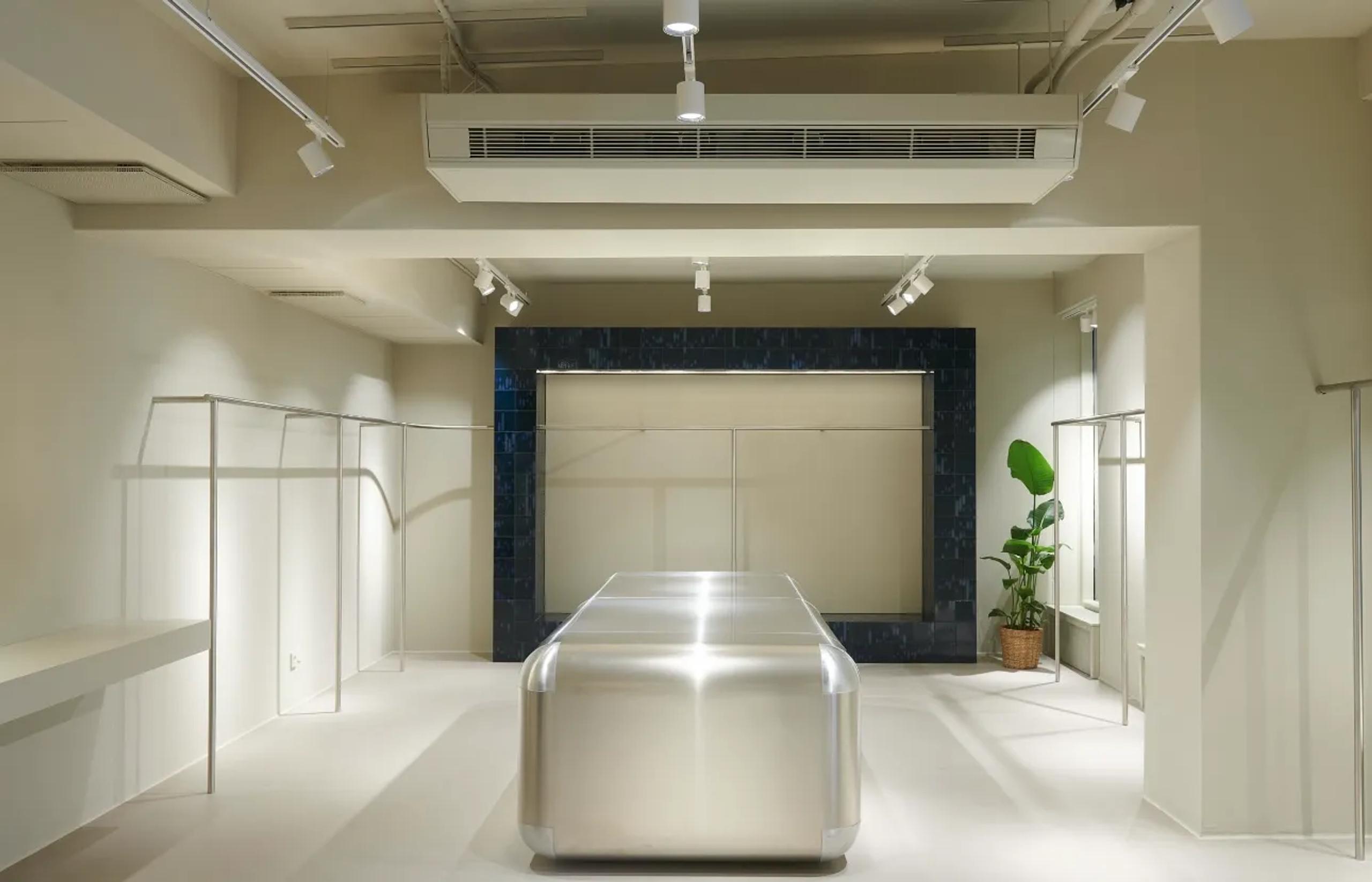
Retail delivery scope
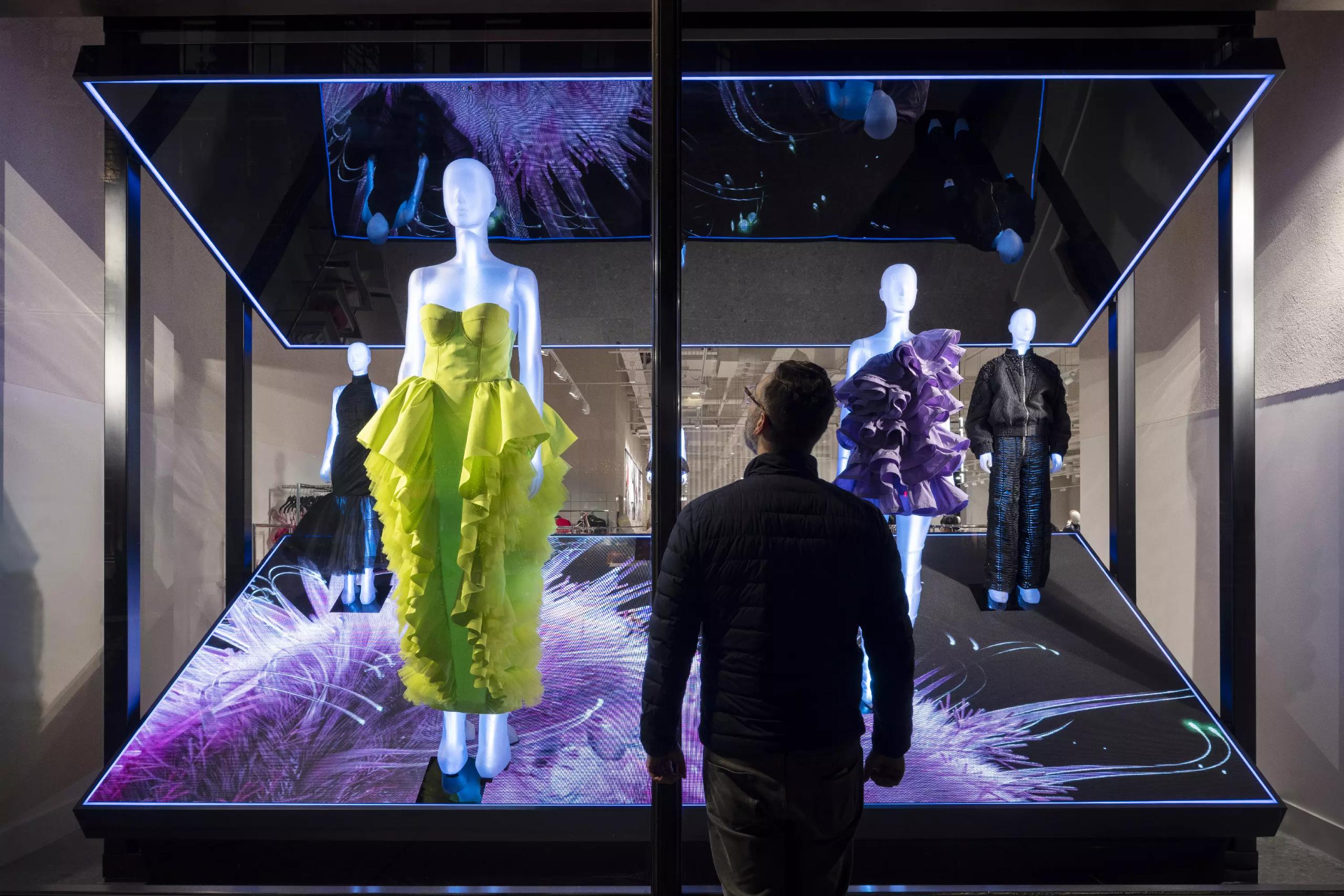
Journey and zoning plans
Spatial diagrams define flow, pause points, and conversion-critical zones.
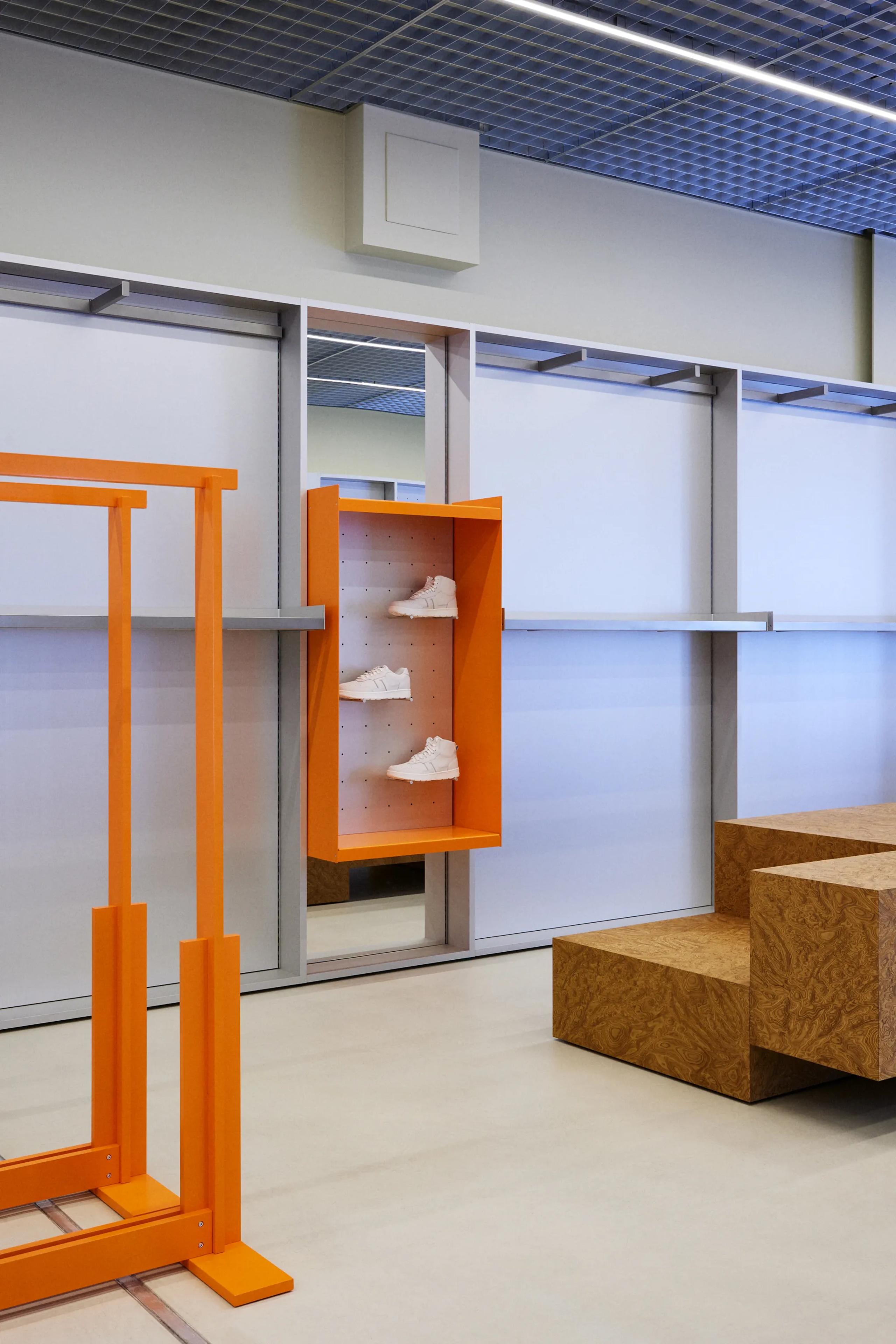
Fixture and VM framework
Display systems support campaign agility while preserving brand consistency.
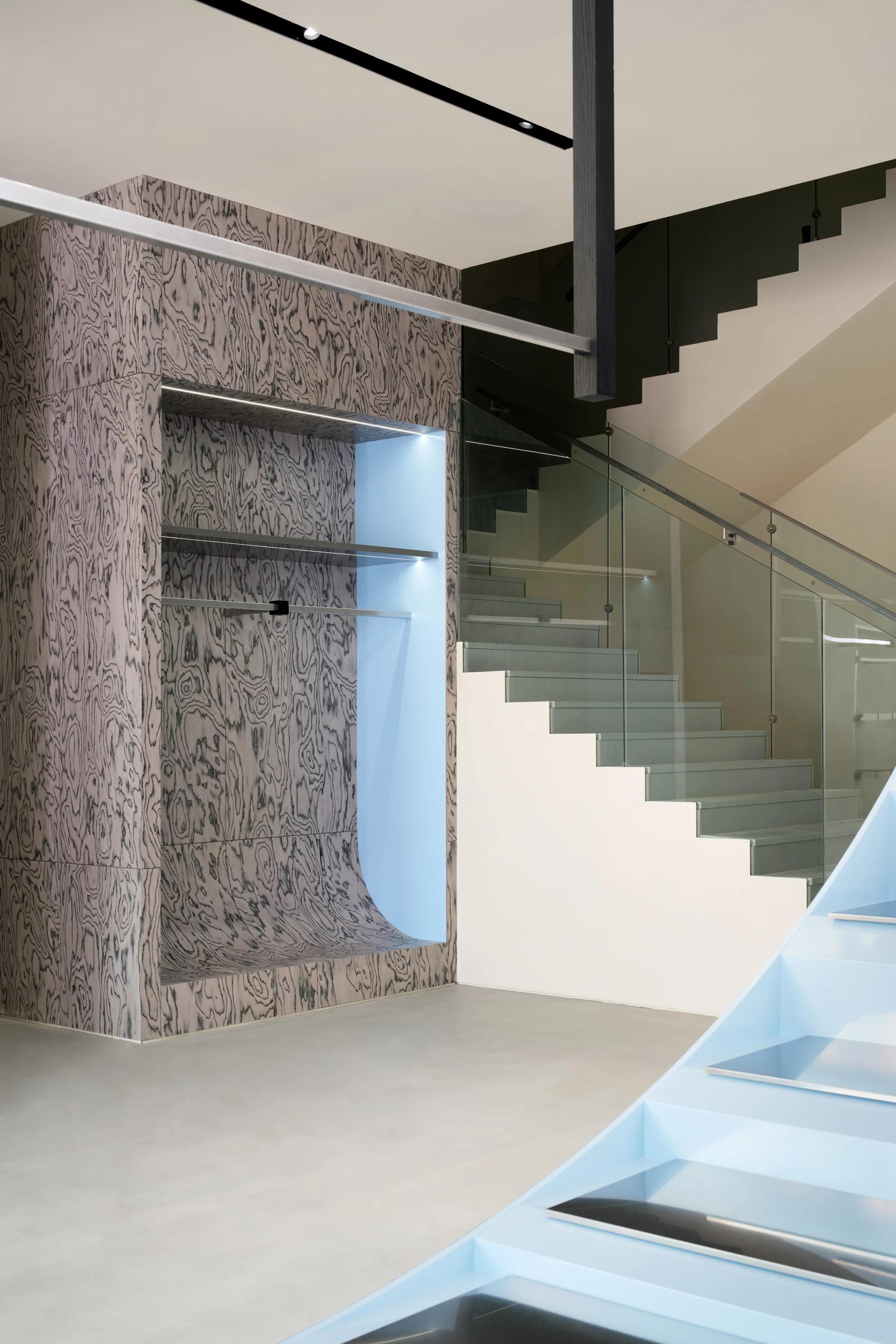
Execution and rollout package
Documentation supports procurement, installation, and multi-site adaptation.
Technical focus
Fixture systems and merchandising adaptability
Fixture system specification
Modules are dimensioned for repeatable fabrication and quick reconfiguration.
Visual merchandising logic
Display hierarchy is tied to product category and campaign cadence.
Traffic flow calibration
Aisle widths and node positions are set against observed movement patterns.
Seasonal adaptability protocol
Update sequences define labor, timing, and risk for campaign turnover.
Commercial indicators
Metrics used to evaluate retail spatial performance
Dwell time by zone
Measures attention intensity across merchandising areas.
Conversion by path type
Compares purchase outcomes across different movement patterns.
Campaign reset duration
Tracks operational time required for visual merchandising updates.
Sales per square meter
Relates revenue output to spatial allocation and product mix.
Return-visit ratio
Monitors repeat traffic as a signal of experience quality.
Explore other sectors
Related projects