Issue 01
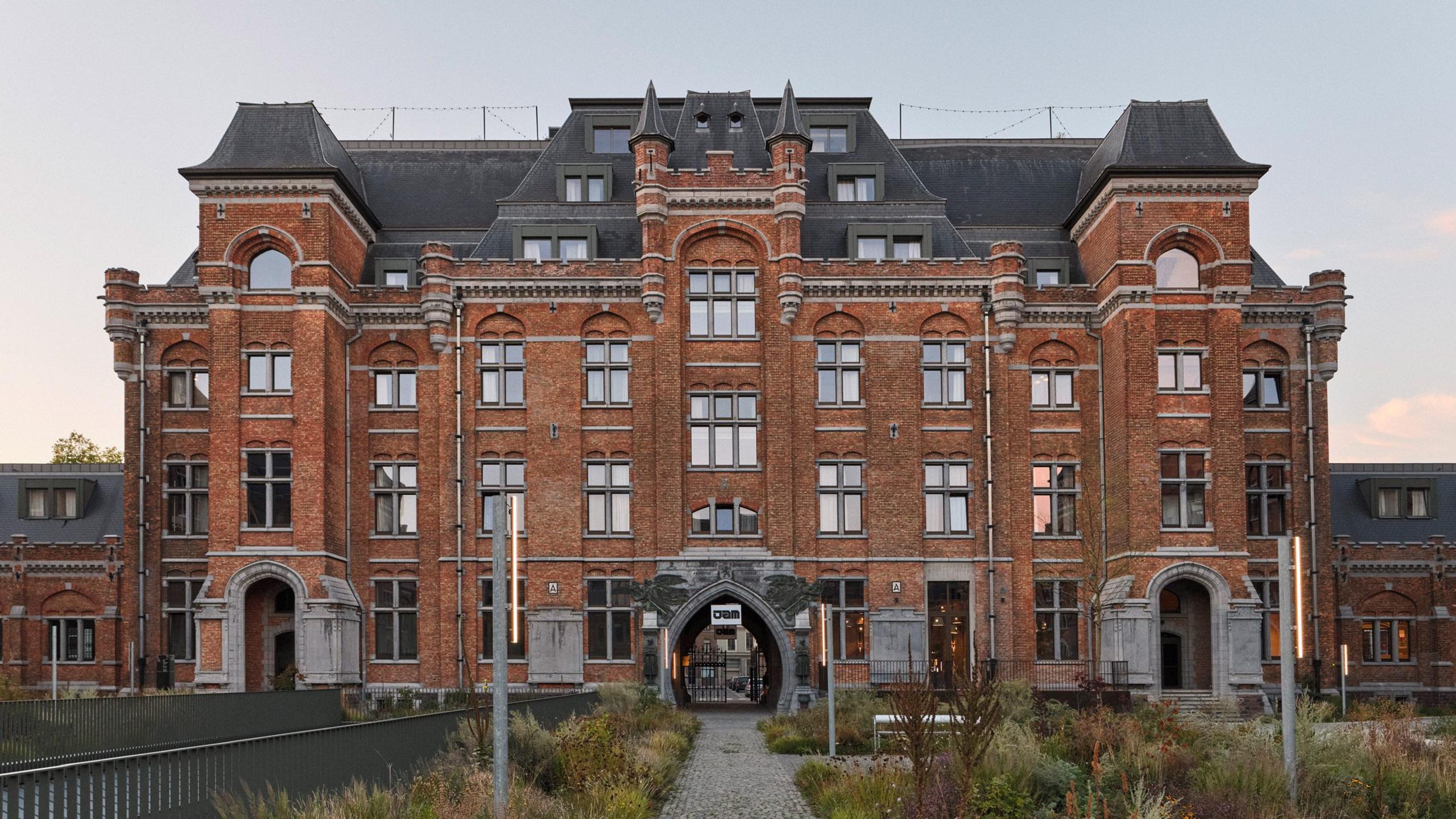
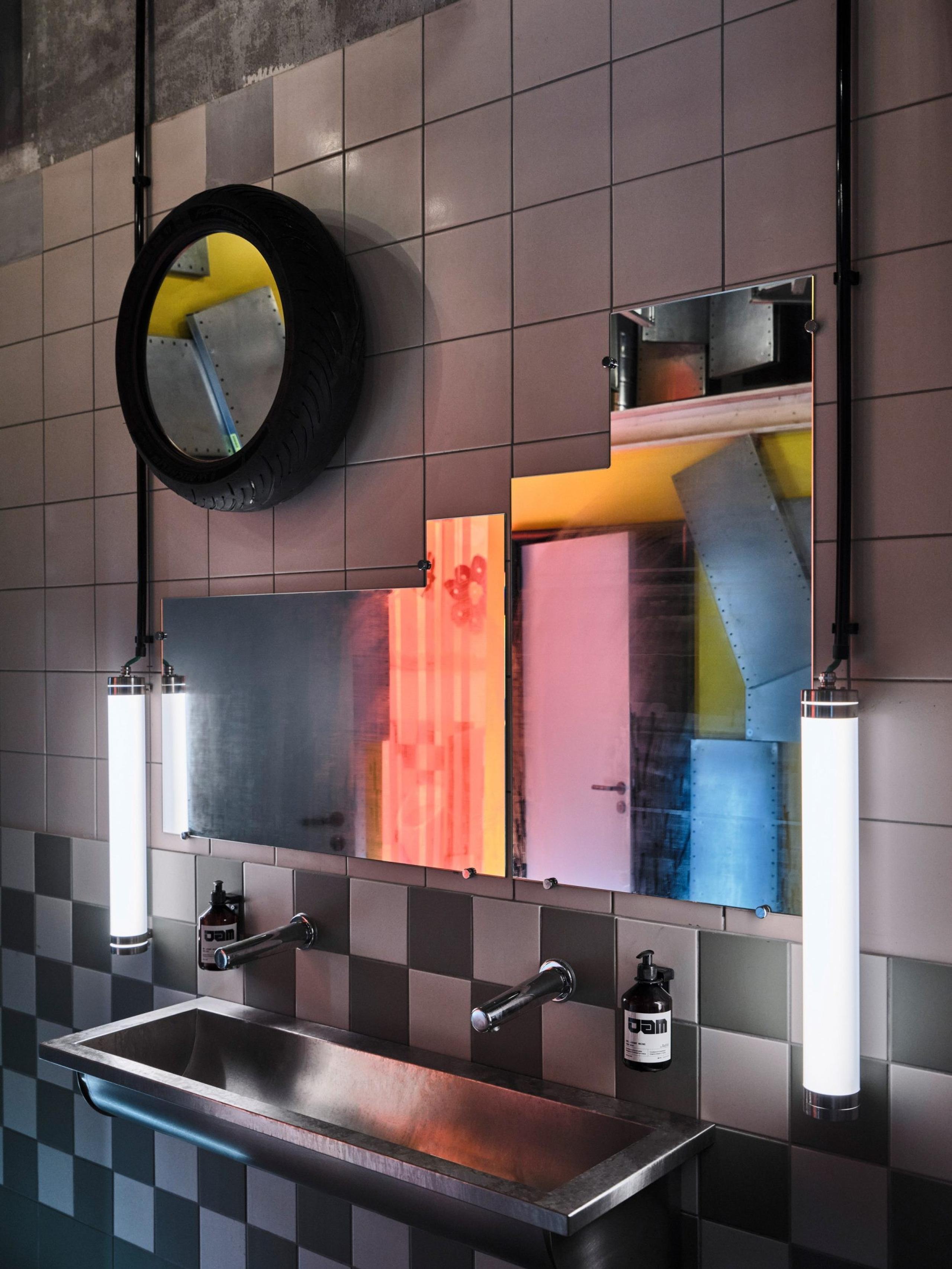
Jam Ghent, Studio Lionel Jadot's conversion of the former Leopold Barracks in the city's arts quarter. 108 rooms, and the old paint stayed on the walls.Photo: Stan Huaux / Courtesy of Jam Hotels, via Dezeen
The end of the photogenic room
10 September 2026 · Interiors & architecture · 5 min read · By Poppy Leverentz
For a decade, commercial interiors were built for the camera. The rooms worth paying attention to in 2026 are built for time, and they photograph worse for it.
In Ghent, the new Jam Hotel has kept the old paint on its walls. Not as a feature wall, and not as one distressed panel behind reception. Across the building, in the uneven layers you normally only see the week before the contractors arrive.
The building is the former gatehouse of a military barracks. When Studio Lionel Jadot stripped out the suspended ceilings and the later wall cladding, the team found the original structure underneath, exposed brick and decades of plaster and paint, and chose to preserve it rather than refinish it. Old roof beams became the flooring and the cladding of the bar. The reception desk is built from reclaimed shelving. More than 40 local designers, makers and artists worked on the 108 rooms.
The detail I keep returning to is the beds. They are a modular system, designed to be taken apart and reused in other configurations.
A hotel that plans a second life for its own bed frames has a different idea of when a project ends. That, to me, is the real shift underneath most of what will get called a trend this year and next.
For about a decade, commercial interiors were designed for the photograph. The opening-week image, the render that closed the lease, the corner of the restaurant that worked on a phone. The rooms worth paying attention to now are designed for the second decade instead. They expect to be altered, added to and worn in. Many of them photograph worse than the rooms they replace, and I think that is close to the point.
A European prize for doing less to a 1950s hall
The clearest signal this year came from architecture rather than interiors. In April, the EU Mies van der Rohe Award went to the transformation of the Palais des Expositions in Charleroi, a 1950s exhibition complex, by AgwA and architecten jan de vylder inge vinck. The jury, chaired by Smiljan Radić, wrote that "rather than replacing, it reactivates the place."
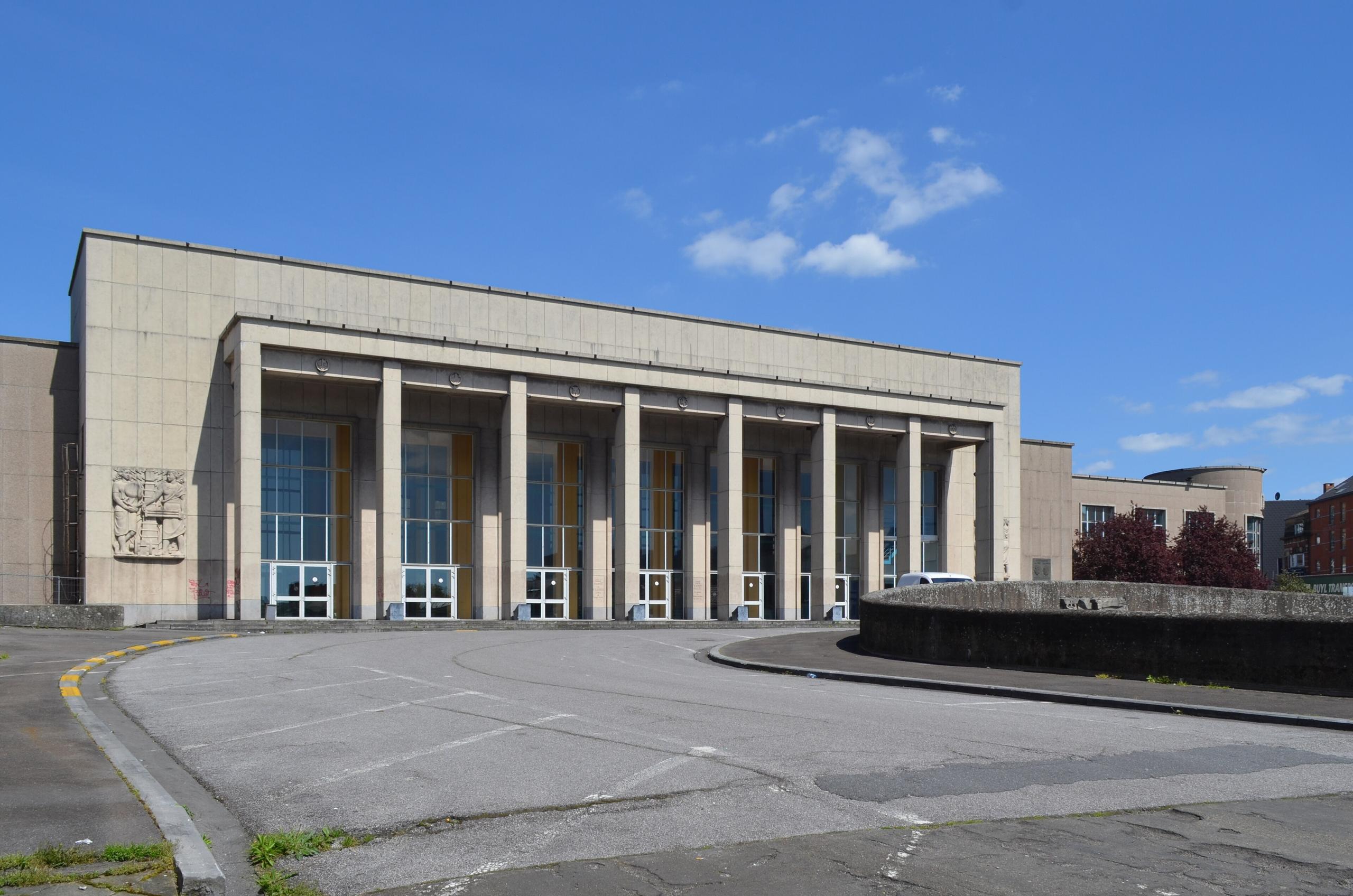
The numbers explain the architecture. The budget was around 450 euros per square metre, against a typical Belgian figure of roughly 1,350. Demolition was never affordable. Instead, the team kept most of the original structure, took the facades off the central hall to make a covered outdoor space, and replaced the hard ground around the building with green.
I find this more useful than any mood board, because it shows reuse arriving as a design language rather than a sustainability footnote. When Dezeen asked designers for their 2026 predictions in January, the Finnish designer Joanna Laajisto said she was reorienting her practice toward existing structures and reclaimed resources, and noted that this was not yet reflected in the big trend conversations. Nine months later it is starting to be, from the top down. A prize like this tells every developer and hotel group in Europe that the existing building is no longer the compromise in the brief. It can be the brief.
Milan sold permanence, and some of it was fake
Salone del Mobile drew 316,342 visitors to Rho Fiera in April. The most honest reading of it I came across, in Tatler Asia, argued that much of what was presented as new was continuation, and that the stronger theme was permanence. Good design, as that piece put it, "does not need to announce itself as new."
You could see it in the details. Porada added oak to its timbers, from the 280 hectares of forest it has owned in Burgundy since 2011. Cassina and Karakter reissued Verner Panton's 1959 Peacock Chair for his centenary. The palette on the stands ran caramel, honey, ochre and burnt orange, colours that already look as if they have been in a room for a while.
There is a version of this that worries me, though. Jaime Hayon's Archeo series for Magis is rotationally moulded polyethylene with eroded, excavated-looking surfaces. It is witty and well made, and it is also age delivered as a finish, on day one, in plastic. Expect plenty of that in hospitality fit-outs over the next eighteen months: printed patina, distressed laminates, new stone tumbled to pass as reclaimed. It photographs like time. It does not behave like time, and guests can tell within one stay.
Patina you can specify is a finish. Patina you have to wait for is a decision.
The difference is what you are paying for. A real oak floor, a lime plaster wall or an unlacquered brass rail will look better in year eight than in year one. A printed surface only gets worse from the day it goes in.
Arched corridors and burr birch on Södermalm
Closer to home, Stockholms Stadshotell on Södermalm is the room I point people to when they ask what this looks like in practice. It is a former charitable home for elderly women, built 1873 to 1875, now 32 rooms around a courtyard. Ateljé Nord could not move certain walls or alter the original staircases and corridors, so the long arched corridors stayed and the plan was built around them. The restaurant in the former chapel kept its vaulted ceiling and restored hand-painted walls. The guest rooms run on solid wood, stone, handwoven textiles and natural pigments, with burr-birch bed frames and pink Italian marble sinks.
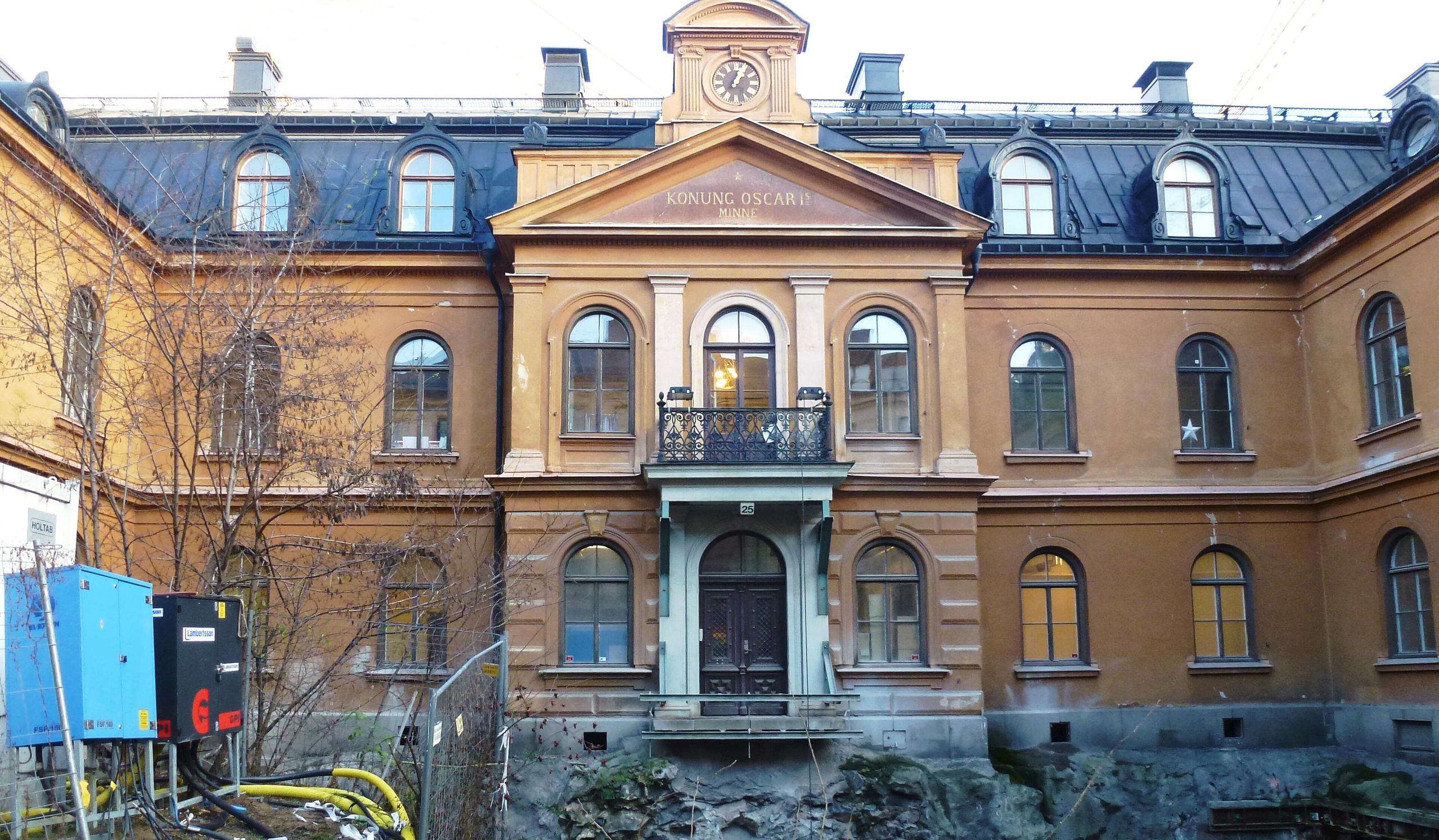
None of it shouts. All of it will age in the right direction.
Colour forecasting is catching up, slowly. Pantone's colour for 2026 is Cloud Dancer, a white it describes as a "blank canvas." I understand the impulse, but white is the colour of the photographable room, the clean slate that shows every scuff by month three. WGSN and Coloro's colour for 2027, Luminous Blue, interests me more. They tie it to lapis lazuli, a stone ground into pigment for centuries, and their advice for interiors is to take inspiration from its "traditional and crafted quality." That is a mineral colour, closer to what comes out of the ground than what comes out of a tin.
Light follows the same logic. The photogenic room was lit evenly and brightly so the camera could see everything. The rooms that stay with me drop the light low and let the corners go dark, because a dining room at nine in the evening is not a product shot. André Fu, whose Capella Taipei won Wallpaper*'s Best New Opening this year, put it plainly in January: "design for the senses, not just the screen."
What it asks of the people paying for the rooms
For hotel groups, restaurateurs and developers, this changes the brief more than the look. It means a survey of what is already there before anyone opens a mood board. It means a budget that treats the second decade as a design phase, with materials chosen for how they wear and a maintenance plan written by the same people who chose them. It means accepting opening photos that are quieter than the competition's, and trusting that the room will be better in year five, when the competition is booking a refurbishment.
The useful questions to put to a studio change too. What will this look like after 10,000 guests? What can be taken apart? What in this building already deserves to stay?
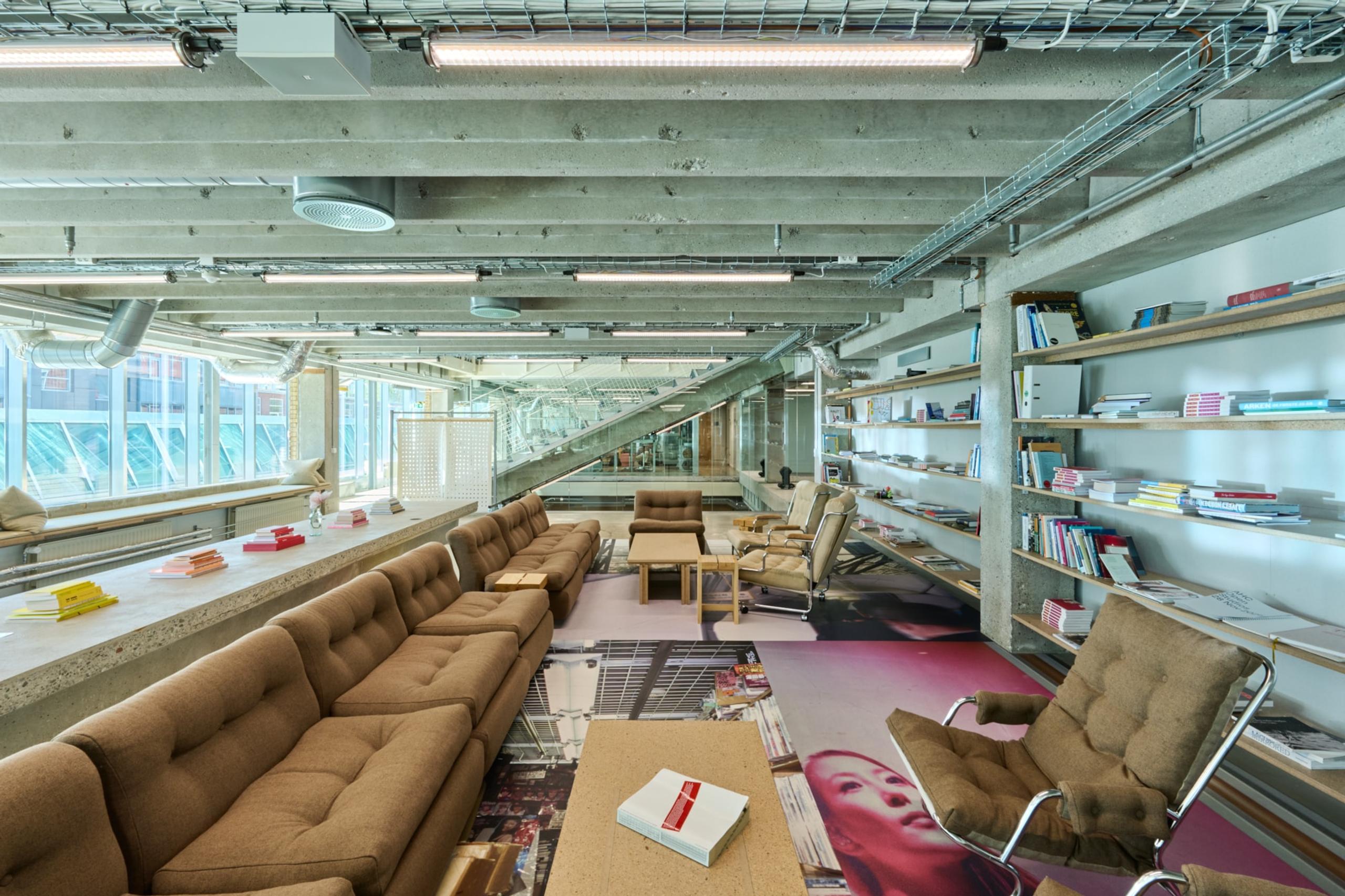
In Copenhagen, Thoravej 29 now houses 38 organisations. Its renovation, by Pihlmann Architects with the furniture designer Sara Martinsen, followed a simple principle: the building should reuse itself. Wood and MDF recovered during demolition were turned into new boards by a company called Convert. Mixed into some of them are shards of old door frames and paint chips from doors dating back to the 1960s.
Written by
Poppy Leverentz
Head of Industry Engagement & Insights, Yntra Studio
Poppy tracks the rooms, studios and openings shaping interiors and architecture, from Stockholm outward. Field notes every week.
Sources
- 1Rus Tourism News, "Lionel Jadot Studio Converts Former Military Barracks in Ghent Into Jam Hotel", 2 March 2026. rustourismnews.com/2026/03/02/lionel-jadot-studio-converts-former-military-barracks-in-ghent-into-jam-hotel/
- 2Dezeen, "Eight interiors transformed using reclaimed materials", 15 March 2026. dezeen.com/2026/03/15/eight-interior-designs-reclaimed-materials-lookbooks/
- 3Dezeen, "Belgian convention centre wins Mies van der Rohe Award 2026", 16 April 2026. dezeen.com/2026/04/16/mies-van-der-rohe-award-2026/
- 4Euronews, "Reusing places and spaces: EUmies Awards honour sustainable architecture and design", 22 April 2026. euronews.com/culture/2026/04/22/reusing-places-and-spaces-eumies-awards-honour-sustainable-architecture-and-design
- 5Afasia, "AgwA . AJDVIV", August 2024. afasiaarchzine.com/?p=400020
- 6Dezeen, "Interior design in 2026 will opt for "curated calm over superficial opulence"", 6 January 2026. dezeen.com/2026/01/06/interior-design-trends-2026/
- 7Tatler Asia, "Furniture trends that defined Milan Design Week 2026", 26 June 2026. tatlerasia.com/homes/architecture-design/milan-design-week-2026-furniture-trends
- 8Dezeen, "Stockholm Stadshotell's "understated" interiors reference Arts and Crafts", 26 June 2025. dezeen.com/2025/06/26/stockholm-stadshotells-understated-interiors-arts-and-crafts/
- 9Creative Review, "Cloud Dancer is Pantone's Colour of the Year for 2026", 4 December 2025. creativereview.co.uk/pantone-colour-of-the-year-2026-cloud-dancer/
- 10WGSN, "Colour of the Year 2027: Luminous Blue", 2025. wgsn.com/en/blogs/colour-year-2027-luminous-blue
- 11Wallpaper*, "Capella Taipei wins Wallpaper* Design Award 2026", 9 January 2026. wallpaper.com/travel/hotels/capella-taipei-best-new-opening-design-awards-2026
- 12Kvadrat, "Past is present | Thoravej 29", 2026. kvadrat.dk/en/projects/past-is-present-thoravej-29
Image credits
- 1Photo: Stan Huaux / Courtesy of Jam Hotels, via Dezeen. dezeen.com/2026/03/01/lionel-jadot-jam-hotel-ghent-artists-atelier/
- 2Photo: Jmh2o / Wikimedia Commons. CC BY-SA 4.0, resized. commons.wikimedia.org/wiki/File:Charleroi_-_Palais_des_expositions_-_02.jpg
- 3Photo: Holger Ellgaard / Wikimedia Commons. CC BY-SA 4.0, resized. commons.wikimedia.org/wiki/File:Konung_Oscar_I_Minne_2014-12-23k.jpg
- 4Photo: Jannick Pihl Rasmussen / Courtesy of Kvadrat. kvadrat.dk/en/projects/past-is-present-thoravej-29
- 5Photo: Stan Huaux / Courtesy of Jam Hotels, via Dezeen. dezeen.com/2026/03/01/lionel-jadot-jam-hotel-ghent-artists-atelier/